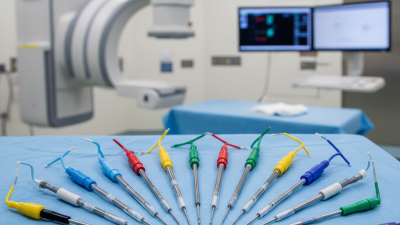
In the ever-changing world of medical devices, you really can’t underestimate the importance of Guide Wire Medicalproducts. Dr. John Smith, who’s a pretty well-known expert in interventional cardiology, mentions, “The right Guide Wire can really be a game-changer—making all the difference between a successful procedure or a not-so-great outcome.” That really highlights just how vital these guide wires are in ensuring patient safety and smooth procedures.
As the demand for innovative medical solutions keeps rising worldwide, it’s not exactly a walk in the park for buyers. Sifting through all these different products requires a solid understanding of what they’re used for and how reliable they actually are. Thanks to recent advances, there are now tons of options out there— but, let’s be honest, not all of them are created equally. Always keep safety standards and the quality of materials in mind.
Trying to find the best Guide Wire Medical products can be both exciting and a little overwhelming. Not all suppliers follow the same standards, so it’s really important to stay sharp and go with trusted manufacturers. The decisions we make today about these critical tools could shape the future of interventional procedures—so it’s worth paying attention to the details.

2026 Overview of Guide Wire Medical Products in the Global Market
The global market for Medical Guide Wire products continues to grow significantly. These crucial tools are essential for many medical procedures, including catheter placements and minimally invasive surgeries. Their design and functionality evolve constantly, aiming to improve patient outcomes. A variety of materials and coatings are used to enhance performance and flexibility. Many factors influence the selection of a guide wire, such as its diameter, length, and shape.
In 2026, buyers will find a range of options tailored to various medical needs. Manufacturers place great emphasis on the usability of these products. Innovations like hydrophilic coatings enhance maneuverability, while radiopaque materials offer visibility during procedures. Medical professionals should weigh the pros and cons of each product. Not every solution suits every situation. Feedback from experienced clinicians can provide valuable insights.
The safety and effectiveness of Medical Guide Wire products remain the top priority. Regulatory standards play a key role in ensuring reliability. However, ongoing improvements mean some products can fall short in specific applications. It’s crucial for buyers to conduct thorough research. Careful examination of options ensures that the chosen guide wire meets the specific clinical requirements.
Key Materials Used in Manufacturing Guide Wires for Medical Applications
When it comes to Guide Wire medical products, the materials used are critical. The most common materials include stainless steel, polymer, and nitinol. Stainless steel offers strength and resilience. It is often used in high-stress situations. Meanwhile, polymers like polyurethane provide flexibility. This is vital for navigating complex anatomical paths. Nitinol combines flexibility with shape memory, making it an excellent choice for precise applications. A report by MarketsandMarkets indicates that the global guide wire market is expected to reach $1.2 billion by 2026, emphasizing the demand for these essential tools.
Tips: Always consider the material's biocompatibility. This is crucial to ensure patient safety during procedures. Engineers and medical professionals often analyze these factors in detail. The right choice can minimize complications and enhance performance.
Moreover, the design of guide wires continues to evolve. Innovations aim to improve steerability and tracking. However, not all advancements lead to success. Some designs may lack sufficient rigidity. Ongoing research is needed to find optimal balances. The complexity of medical devices cannot be overstated. Choices made today impact both manufacturers and end-users significantly.
Types of Guide Wires: An Insight into Options Available for Buyers
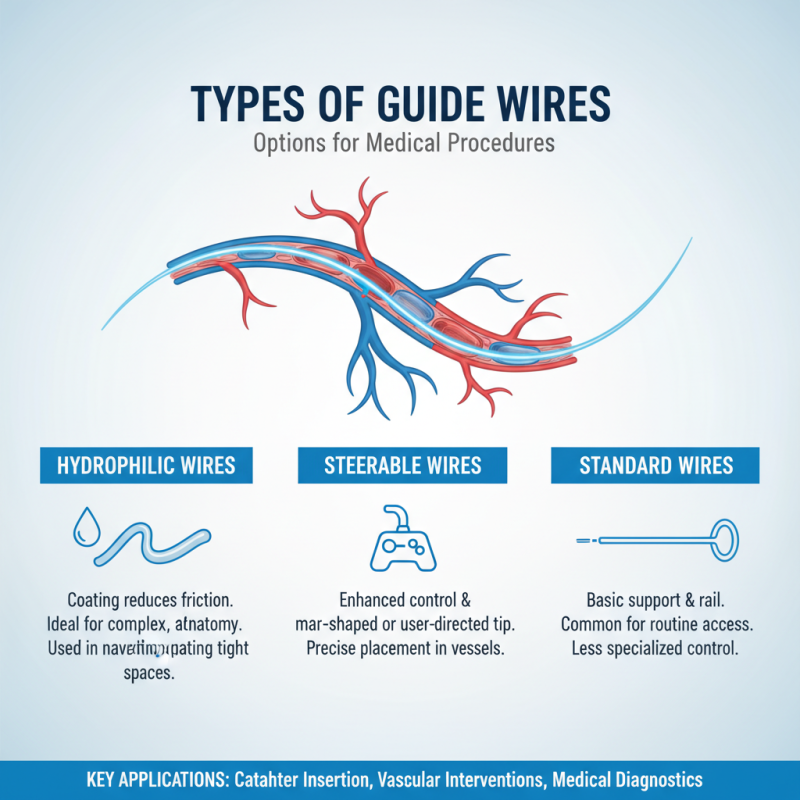
When considering guide wires in the medical field, it's essential to understand the various types and their applications. Guide wires are critical tools used in procedures like catheter insertion and vascular interventions. There are several categories, each designed for specific medical purposes. Some common types include hydrophilic wires, which are ideal for navigating complex anatomy, and steerable wires that offer enhanced control during procedures.
Choosing the right guide wire can significantly impact procedural success. Pay attention to the wire's flexibility and torque ability. It's also important to consider the material and coating, as these factors can influence performance and patient outcomes.
**Tips:** Always assess the specific clinical needs before making a choice. Discuss options with experienced colleagues or mentors. Keep abreast of new developments in guide wire technology, as innovations can enhance procedural efficiency. Regularly review your choice's performance during procedures to ensure optimal results.
Global Trends Influencing the Guide Wire Medical Products Market
The guide wire medical products market is experiencing significant shifts, shaped by numerous global trends. According to the latest market research, the global guide wire market is projected to reach approximately $2 billion by 2026, growing at a CAGR of 7.5%. Factors driving this growth include increased cardiovascular diseases and the rising demand for minimally invasive surgeries. The efficiency of the Pci Guide Wire in navigating complex vascular anatomy is particularly notable. These wires are essential in performing procedures that demand precision and reliability.
Technological advancements are also influencing the market landscape. AI and improved imaging techniques are enhancing the efficacy and safety of guide wires. A report highlights that over 60% of healthcare providers are integrating digital tools into their procedures, enabling better outcomes.
However, despite advancements, challenges remain. The variability in guide wire performance across different procedures can lead to inconsistencies. Some practitioners express concerns regarding the lack of standardized testing methodologies for these products, leading to a need for more reliable data and protocols in clinical settings.
Furthermore, regulatory scrutiny is increasing. As the industry grows, ensuring the safety and efficacy of guide wire medical products is paramount. Stakeholders must prioritize compliance with stringent regulations. The focus must also be on continuous education for healthcare professionals to keep pace with evolving technology. This dual challenge underscores the complexity of the market, requiring constant adaptation from manufacturers and providers alike.
Top Manufacturers of Guide Wire Products: A Comparative Analysis
When examining the top manufacturers of guide wire products, it’s essential to consider several factors. The innovation and quality of guide wires can vary significantly among manufacturers. A deeper analysis reveals crucial distinctions in design, material, and performance. Some brands prioritize flexibility, while others focus on durability.
Cto Guide Wire is known for its unique construction, which enhances its navigational capabilities. In comparison, other brands may excel in cost-effectiveness but lack advanced features. This divergence highlights the need for thorough evaluations by medical professionals. An informed choice can significantly impact procedural outcomes and patient safety.
Manufacturers that offer comprehensive support and clear instructions often stand out. Their commitment to education and training reflects a deeper understanding of the healthcare environment. Yet, not all brands provide adequate resources, which can complicate user experience. Continuous feedback from the medical community is vital to improve guide wire products.
2026 Best Guide Wire Medical Products for Global Buyers
| Product Type | Material | Length (cm) | Diameter (mm) | Coating Type | Country of Origin |
| Nitinol Guide Wire | Nitinol | 190 | 0.35 | Hydrophilic | USA |
| PTFE Coated Guide Wire | Stainless Steel | 300 | 0.26 | PTFE | Germany |
| Balloon Tip Guide Wire | Polymer Composite | 150 | 0.35 | None | Japan |
| Standard Guide Wire | Stainless Steel | 250 | 0.28 | None | China |
| Amplatz Guide Wire | Nitinol | 170 | 0.38 | Polyurethane | France |
Regulatory Standards Impacting Guide Wire Medical Product Designs
In the evolving landscape of medical devices, guide wire designs are significantly influenced by regulatory standards. These standards vary globally but often share common goals: ensuring safety and efficacy. For manufacturers, navigating this regulatory maze can be challenging, as compliance demands a deep understanding of materials, technology, and patient needs.
Designers must create guide wires that meet stringent specifications. These often include biocompatibility, tensile strength, and flexibility. Each aspect can directly affect patient outcomes. The materials used in guide wires must withstand various medical procedures without compromising safety. However, there is always the question of balancing innovation with these regulatory demands. Sometimes, the most inventive designs face delays due to compliance issues.
The regulatory environment is dynamically. New guidelines emerge, impacting how products are developed. Staying informed about these changes can be difficult. Some manufacturers may overlook important updates, leading to potential setbacks. Continuous education and collaboration with regulatory bodies can mitigate these risks. Ultimately, meeting regulatory standards not only ensures compliance but fosters trust in medical devices, enhancing overall patient safety.
Future Innovations and Technologies in Guide Wire Medical Products
The future of guide wire medical products is set to be revolutionized by emerging technologies. Innovations in materials and design are improving effectiveness and patient outcomes. According to a recent report by Market Research Future, the global guide wire market is projected to reach $2.5 billion by 2026, growing significantly due to advancements in manufacturing and biocompatible materials.
One of the most promising trends is the development of ultra-thin, highly flexible guide wires. These wires enhance navigability through complex anatomical structures. They allow for better access to challenging vessels, with a reduced risk of injury. A critical factor remains the balance between flexibility and strength. This is essential to ensure safety during procedures, yet some products still face limitations in these areas, prompting ongoing research and refinement.
Moreover, incorporating smart technology into guide wires could change the landscape. Sensors integrated into wires can provide real-time data to healthcare professionals. Despite this potential, challenges exist in data reliability and cost-effectiveness. The industry is actively evaluating these aspects to improve usability. Investing in training and education for medical staff on these innovations is vital for successful implementation.
Maximizing Efficiency in Urological Procedures: The Role of Stone Retrieval Baskets in Minimally Invasive Surgery
Minimally invasive surgery has revolutionized the approach to urological procedures, particularly in the management of urinary stones. Among the array of tools available, the 3-Wire Stone Retrieval Basket stands out for its effective design and utility in capturing and removing stones from the urinary tract. This surgical device is primarily employed during ureteroscopy, enabling practitioners to address stones lodged in the ureter and kidney with precision and minimal trauma to surrounding tissues.
The 3-Wire Stone Retrieval Basket is engineered to enhance the efficiency of stone removal. Its unique three-wire configuration allows for a secure grip on stones, reducing the chances of fragment dislodgement during extraction. This level of efficacy not only improves patient outcomes by minimizing procedural time but also significantly lowers the risk of complications commonly associated with more invasive surgeries. As urologists continue to advance their techniques and embrace minimally invasive options, tools like the 3-Wire Basket play a critical role in optimizing surgical performance and ensuring patient safety.
In conclusion, the integration of advanced retrieval systems such as the 3-Wire Stone Retrieval Basket is crucial in modern urology. By maximizing efficiency in stone removal, these devices contribute to the broader goal of enhancing patient care while reducing recovery times and associated healthcare costs. As developments in minimally invasive surgery continue to evolve, the importance of reliable and effective instruments cannot be overstated.
FAQS
: Increased cardiovascular diseases and demand for minimally invasive surgeries are main drivers.
AI and advanced imaging techniques are improving the efficacy and safety of guide wires.
Variability in performance across procedures can cause inconsistencies in outcomes.
Lack of standardized testing leads to unreliable data, affecting clinical success.
Regulatory standards ensure safety and efficacy but can challenge innovation in design.
Biocompatibility, tensile strength, and flexibility are crucial for patient outcomes.
Navigating complex regulations and staying up-to-date can be very challenging.
Continuous education and collaboration with regulatory bodies can help.
Overlooking updates can lead to significant setbacks in product development.
Trust enhances patient safety and compliance, impacting overall healthcare outcomes.
Conclusion
The article titled "2026 Best Guide Wire Medical Products for Global Buyers" provides a comprehensive overview of the guide wire medical products market, highlighting key materials used in their manufacturing and the various types available to buyers. As the demand for guide wire medical technologies continues to grow, understanding the global trends influencing this market is essential.
Additionally, the article delves into the comparative analysis of top manufacturers in the guide wire medical product sector, while also addressing the regulatory standards that affect product design and safety. Looking ahead, it explores future innovations and technologies set to enhance the functionality and effectiveness of guide wires, ensuring that global buyers are well-informed about the evolving landscape of guide wire medical products.