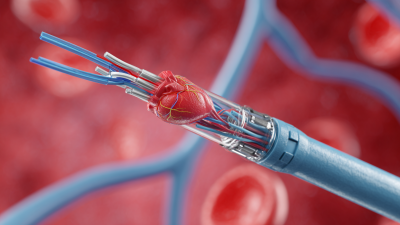
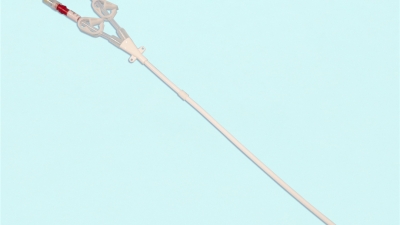
You know, in the ever-changing world of children's healthcare, tools like Pediatric Catheters really make a difference. I read somewhere that, according to a report by the Global Industry Analysts, the worldwide market for these catheters is expected to hit around $1.3 billion by 2026. That just shows how much demand there is for precise, kid-friendly medical devices. At Tianck Medical Co., Ltd., we totally get the unique challenges that healthcare providers face when caring for little patients. That’s why we’re committed to creating innovative solutions that meet their special needs. By using the latest technology and sticking to strict quality standards, our Pediatric Catheters aren’t just about making procedures smoother—they’re also designed to keep kids comfortable and safe. In this blog, I’ll share some of the top ways to improve pediatric care by incorporating the best pediatric catheters, focusing on how these tools really impact both the clinical side and the overall experience for young patients.
The Importance of Pediatric Catheters in Modern Healthcare Solutions
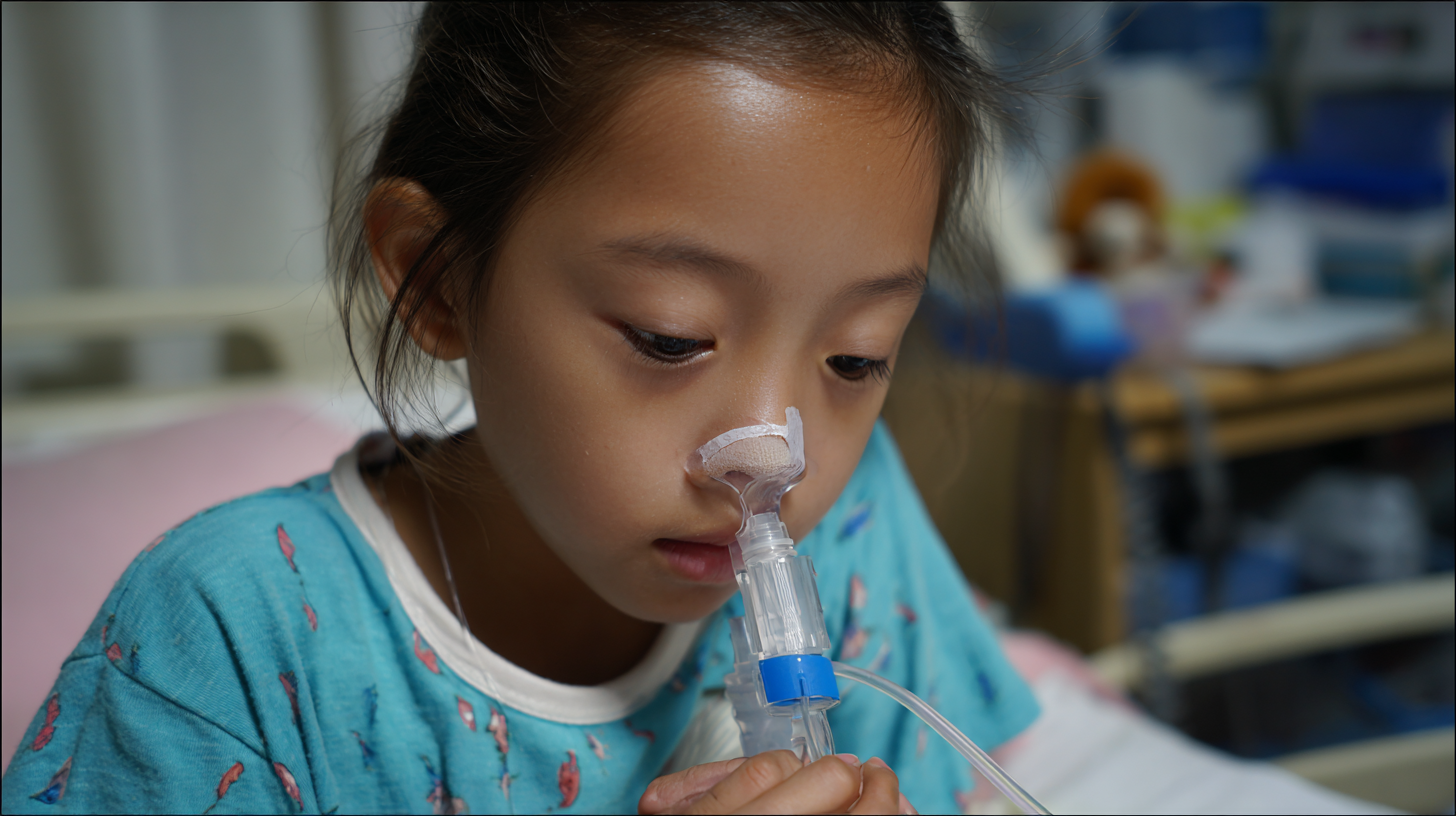
Pediatric catheters really play a vital role in today’s healthcare, especially when it comes to kids who need precise medical treatments. You know, a report from the World Health Organization (WHO) points out that developing specialized devices just for children has made a real difference — studies even show about a 30% drop in complications related to catheters when the tools are tailored to their age. It’s not just about safety; these designs take into account how a kid’s body is different, making procedures less stressful and more effective. Honestly, it’s pretty impressive how much of a difference it makes.
Plus, a survey by the Pediatric Catheterization Society found that about 75% of healthcare providers working with kids agree that using top-quality, pediatric-specific catheters has really helped them manage tricky conditions like congenital heart problems or urinary issues. These specialized catheters make accessing treatment easier, and they help keep kids comfortable and less anxious during the whole process. Focusing on designs that suit children’s needs really helps healthcare systems provide better care overall, which hopefully means healthier futures for these young patients down the line.
Key Technological Advancements in Pediatric Catheter Design for 2025
Looking ahead to 2025, pediatric catheter design is really set to change a lot, thanks to new technologies and the growing needs of healthcare providers. Companies like Tianck Medical Co., Ltd. are leading the charge with innovative, precisely-engineered products aimed at improving outcomes for young patients. One exciting development is the use of biocompatible materials that not only cut down on infection risks but also make the whole experience more comfortable for kids. These improvements could make procedures less scary for both children and their parents, reducing irritation and other complications.
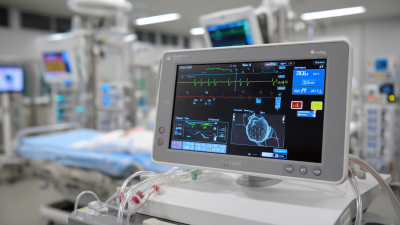
On top of that, smart technology is starting to make its way into these catheters. Imagine real-time monitoring of vital signs—that's becoming a reality. This means doctors can keep a closer eye on kids' health, and parents get better insights about what's going on. The user-friendly design combined with digital features really fits with Tianck Medical's goal of pushing healthcare forward, giving medical teams the best tools to do their jobs. As all these innovations roll out, they’re not just changing equipment—they’re making a real difference in how kids experience care and how well they do afterward.
Impact of Pediatric Catheters on Minimizing Infection Rates in Young Patients
 Pediatric catheters really play a crucial role in improving healthcare for kids, especially when it comes to lowering infection risks among the little patients. It’s pretty well-known that using high-quality, specially designed pediatric catheters can make a big difference in reducing catheter-associated urinary tract infections, or CAUTIs for short. The CDC reports that CAUTIs make up over 30% of all healthcare-related infections, and kids—especially those with weaker immune systems—are often hit hardest. By choosing devices with built-in antimicrobial features, hospitals can slash these infection rates quite a bit, making the environment safer and less stressful for our most vulnerable little ones.
When healthcare providers are shopping for pediatric catheters, they should really pay attention to some key features that support better hygiene and ease of use. For example, catheters with hydrophilic coatings tend to glide in more smoothly, which makes the process less uncomfortable and helps cut down on bacterial build-up. Also, sticking to regular monitoring and timely replacements is super important. Studies show that changing catheters every week or so can really cut down on infection chances.
A quick tip—get families involved! Educating caregivers on how to care for the catheter properly and keep the site clean can really boost overall health outcomes. And, if possible, choosing catheters that come with dedicated insertion kits can make the process smoother and help prevent contamination—small things, but they add up to a safer experience overall.
How Proper Catheterization Techniques Enhance Patient Comfort and Recovery
Advances in catheterization techniques have really changed the game when it comes to patient care, especially in kids' healthcare, where comfort and quick recovery are so important. It’s not just about inserting a catheter — it’s about making the whole experience better for the child, helping to ease their anxiety and making recovery smoother. For example, newer coatings on catheters, like hydrophilic ones, are a big deal because they help cut down on urinary tract infections, which are pretty common and can really slow down healing. Using these coated catheters not only lowers infection risks but also makes the whole process more comfortable for young patients — fewer grimaces, fewer tears, you know?
And let’s not forget about the discomfort some kids might feel with catheters. That bladder discomfort can seriously make recovery more miserable and add to their distress. That’s where smarter techniques and specially designed materials come into play, tailored to fit children’s anatomy and help ease that discomfort. When we adopt these newer approaches, we’re not just doing a procedure — we’re genuinely caring for kids, making sure their recovery feels less scary and more gentle.
All in all, these innovations in catheterization aren’t just technical upgrades; they’re about creating a more compassionate, kid-friendly experience that supports healing and well-being.
Data-Driven Insights: The Cost-Benefit Analysis of Advanced Pediatric Catheters
When you think about kids getting medical care, using the latest pediatric catheters really feels like a big step forward. You know, a lot of the data shows that these newer catheters don’t just make treatments run smoother—they actually help cut down overall healthcare costs, especially since they can reduce hospital stays and lower the chances of complications. Plus, by lowering the risks of infections and other catheter-related issues, these advanced tools make the whole process safer for kids who need long-term IV access.
And honestly, these high-tech catheters really make a difference—kids tend to recover faster, and their overall experience is way more comfortable. That means better health outcomes, sure, but it also takes some of the emotional and psychological pressure off both the kids and their families. Investing in top-quality catheters might seem like a big expense, but it actually pays off by helping healthcare providers deliver better, safer care. This naturally creates a more positive environment, especially for those vulnerable little patients. As hospitals keep moving forward with this kind of tech, I really believe the future of children’s healthcare is looking brighter than ever.
Future Trends: Innovations in Materials and Technology for Child-Safe Catheters
Lately, there's been a pretty noticeable rise in the need for child-friendly catheters, mainly thanks to some cool new materials and tech. Stuff like biocompatible materials and antimicrobial coatings are really changing the game when it comes to designing and using catheters for kids. These upgrades aren’t just about making things more comfortable—they actually help cut down on the risk of infections and other complications that can come with catheter use. Plus, with softer, more flexible materials, the catheters are gentler on delicate tissues, making the whole experience a lot better for young patients.
When you're picking out a pediatric catheter, it’s a good idea to go for ones made with materials tailored for children. Look for options with softer edges and flexible designs—trust me, it makes a difference during insertion and throughout use.
Another exciting development is the rise of ‘smart’ catheter systems. Some devices now come with sensors that can monitor vital signs in real-time, helping healthcare providers make quicker, smarter decisions. This kind of tech not only boosts safety but also allows for care that’s more personalized for each kid.
Tip: Keep an eye on the latest advances in catheter tech. Talking to your child’s healthcare team about new innovations can really help make sure your little one gets the best, most comfortable treatment possible.
Enhancing Patient Outcomes: The Impact of Long Term Hemodialysis Catheters on Survival Rates and Quality of Life in CKD Patients
In the realm of chronic kidney disease (CKD) treatment, the choice of Vascular Access is crucial for enhancing patient outcomes, particularly for those undergoing long-term hemodialysis. Long Term Hemodialysis Catheters serve as an essential tool for patients with end-stage renal disease (ESRD), enabling medical professionals to efficiently manage dialysis while minimizing complications. These specialized catheters are designed to be inserted into large central veins—such as the jugular, subclavian, or femoral veins—allowing for effective blood removal and return during dialysis sessions.
One primary advantage of using Long Term Hemodialysis Catheters is their ability to provide a reliable access point for extended periods. Unlike temporary catheters, which are only suitable for short-term use, these tunneled devices remain safely beneath the skin, significantly reducing the risk of infection—a critical concern for hemodialysis patients. This reduction in infection rates not only enhances patient safety but also contributes to improved survival rates and overall quality of life, as patients can maintain a consistent treatment schedule without the frequent disruptions that complications can cause.
By prioritizing the use of Long Term Hemodialysis Catheters, healthcare providers can improve therapeutic outcomes for CKD patients, allowing for better management of their condition. The implications of this specialized device extend far beyond mere convenience; they embody a commitment to providing patients with the best possible quality of life amid the challenges of chronic kidney disease. Through careful consideration of catheter choice, medical teams can play a pivotal role in promoting longevity and well-being for individuals reliant on hemodialysis.
FAQS
: Pediatric catheters are crucial for modern healthcare as they provide age-specific designs that significantly improve patient outcomes, reducing catheter-related complications by 30%.
Specialized catheters enhance healthcare providers' ability to manage conditions like congenital heart defects and urinary tract issues by facilitating easier access to treatments while minimizing discomfort for young patients.
Proper catheterization techniques enhance patient comfort, reduce anxiety, and promote smoother recovery by addressing challenges such as catheter-related bladder discomfort and preventing infections.
Hydrophilic-coated catheters minimize the risk of catheter-associated urinary tract infections and improve overall comfort, making procedures less distressing for young patients.
Recent innovations include biocompatible materials, antimicrobial coatings, and smart technology integration, which enhance patient comfort and reduce infection risks.
When choosing a pediatric catheter, select those made from soft, flexible materials specifically designed for children to minimize discomfort during insertion and use.
Smart technology in catheter systems includes devices with sensors that monitor vital parameters in real-time, allowing for quick and informed decisions by healthcare providers.
Parents should stay informed about the latest technological advancements in catheter care and engage with healthcare providers to ensure their child receives the best possible treatment experience.