Leave Your Message
0%

Picking the right OEM or ODM Interventional Guiding Catheter manufacturer isn't something you want to rush into. I mean, the global market for interventional cardiology devices hit about $16.1 billion back in 2021, and a big chunk of that was guided catheters. The demand for top-notch devices isn’t slowing down either — it’s all about getting that precision right in cardiovascular procedures.

Now, finding the perfect manufacturer isn’t exactly a walk in the park. You've got to look for companies with solid ISO certifications and a reputation for reliability. They should have the latest tech and real expertise in making Guiding Catheters. From what I’ve read, the quality of the manufacturing process can seriously impact patient outcomes — a bad device failure isn’t just costly; it can be dangerous.

And don’t forget to check their customer support and after-sales services. A manufacturer that responds quickly and offers good guidance can save you a lot of headaches later on. Unfortunately, not everyone prioritizes this kind of support, so it’s worth asking the right questions. In this game, having the right partner can truly make or break your success. Investing in a good Interventional Guiding Catheter might cost a bit upfront, but it can save you big bucks and trouble down the line.

Top Tips for Choosing the Right OEM ODM Interventional Guiding Catheter Manufacturer?

Understanding OEM and ODM in Interventional Guiding Catheters

Understanding OEM and ODM in Interventional Guiding Catheters is crucial for manufacturers and healthcare providers. OEM stands for Original Equipment Manufacturer, while ODM means Original Design Manufacturer. Both play unique roles in the medical device industry. The choice between them can impact product quality and innovative design.

In 2021, the global market for interventional guiding catheters reached approximately $2.1 billion, with a projected growth rate of 5.9% through 2028. This indicates the increasing demand for quality medical devices in Interventional Urology and other procedures. Companies must assess whether they need a manufacturer for existing designs (OEM) or one that can innovate new designs (ODM). Poor choices could lead to product failures, affecting patient outcomes.

Choosing the right manufacturer isn’t straightforward. Some manufacturers excel in production, while others specialize in design. It's essential to evaluate their expertise, certifications, and past projects. Investigating their track record is vital. Data from industry reports suggest that around 30% of new medical devices face regulatory delays. This highlights the need for manufacturers to understand compliance fully. Making an informed decision can significantly influence the success of both product and practice.

Key Considerations for Selecting a Manufacturer

When choosing an OEM ODM interventional guiding catheter manufacturer, several key considerations come into play. Quality control is vital. A manufacturer should have stringent quality assurance processes. You need to check their certifications and testing protocols. Visit their facilities if possible. Real-life observations can reveal their commitment to quality.

Another important factor is communication. A responsive manufacturer can streamline development. You should feel comfortable discussing your needs. If responses are slow or vague, it may indicate future issues. Look for flexibility as well. The ability to adapt designs or timelines can make a significant difference during production.

Finally, consider their experience. An established manufacturer will likely have encountered various challenges. They can provide solutions based on previous projects. Newer companies might lack this depth. However, innovation often comes from fresh perspectives. Weigh proven experience against potential creativity. Finding a balance is essential for your project’s success.

Evaluating Manufacturer Experience and Expertise

When selecting the right OEM ODM interventional guiding catheter manufacturer, evaluating their experience and expertise is crucial. Companies with over 10 years in the industry tend to have deep insights into the unique demands of the market. According to a recent industry report, manufacturers with extensive experience can significantly reduce error rates during production. This leads to better product performance and increased safety for patients.

Understanding a manufacturer’s previous projects provides valuable insight. A manufacturer that has completed diverse projects often shows adaptability and innovation. This can be reflected in their ability to integrate new technologies. In fact, reports indicate that over 70% of successful manufacturers leverage recent advancements to improve catheter design and functionality. However, beware of those who boast high experience without substantial evidence. A thorough review of their portfolio is essential.

Expert guidance cannot be overlooked. Manufacturers that invest in continuous training for their engineers tend to produce higher quality products. Yet, not all manufacturers prioritize staff development. This gap can lead to inconsistencies in product quality. It's essential to question how often the manufacturer conducts training programs. Remember, expertise is not static; it must evolve with industry trends. Validating claims of expertise through third-party certifications can also be beneficial.

Assessing Quality Control and Regulatory Compliance

When selecting an OEM ODM interventional guiding catheter manufacturer, quality control and regulatory compliance are crucial aspects to evaluate. A reliable manufacturer should adhere to stringent quality standards. This includes regular audits and certifications from recognized organizations. Ask about their quality control processes. How do they ensure consistency in production? This can reveal much about their commitment to quality.

Pay attention to their compliance with industry regulations. Manufacturers should demonstrate knowledge of relevant regulatory requirements. They need to prove adherence to safety protocols. Don’t hesitate to request documentation of their certifications. This will help you verify their credibility.

Consider the manufacturing processes they employ. Visit their facility if possible. Observe their quality management systems in action. Are they using advanced technology? How do they handle defects? Finding answers to these questions can highlight areas of concern. Sometimes, manufacturers may overlook the importance of comprehensive testing. Ensure they have robust mechanisms for product evaluation before release.

Comparing Costs and Production Capabilities

When choosing an OEM ODM interventional guiding catheter manufacturer, production capabilities matter. Look for facilities with advanced technology. Consider their ability to handle specific designs. Are they flexible with customization? This can directly impact your product's performance.

Costs are equally crucial. Manufacturers vary widely in pricing. Assess what you get for the price. Is the quality assured? Cheaper options may cut corners. Evaluate their materials and production processes. Inconsistent quality can lead to failures, especially in Interventional Guidewire applications.

Gather feedback from other clients. Look for reviews that highlight specific experiences. Was the communication clear? Did they meet deadlines? These details provide insight into the manufacturer’s reliability. Don't ignore potential red flags. Rely on your instincts during the selection process. You want a partner, not just a supplier.

Comparison of Costs and Production Capabilities of Interventional Guiding Catheter Manufacturers

Exploring Communication and Support Services Offered

Top Tips for Choosing the Right OEM ODM Interventional Guiding Catheter Manufacturer?

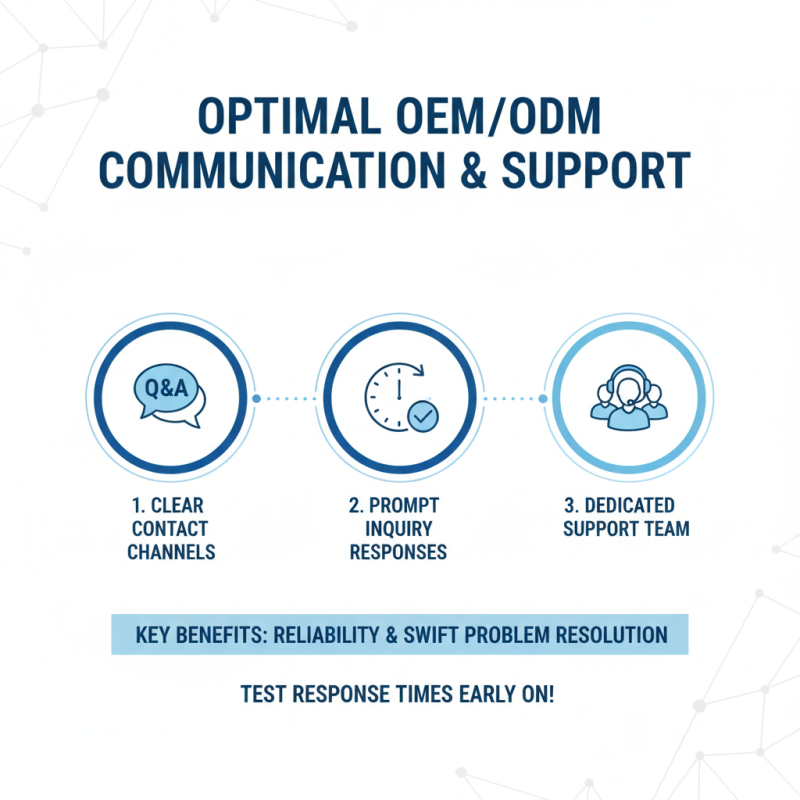
When selecting an OEM ODM manufacturer for interventional guiding catheters, communication is crucial. Manufacturers should provide clear avenues for contact. Quick responses to inquiries indicate reliability. A dedicated support team can help address complex issues promptly. Consider testing their response times during initial communications.

Evaluate the types of support services offered. Some manufacturers may provide training resources for healthcare professionals. Others focus on technical assistance during product implementation. Ensure that they support you long-term. An effective partnership in Interventional Radiology depends on ongoing communication and service adaptation.

Tip: Look for manufacturers who offer customizable solutions. This feature can significantly enhance your operational efficiency. Additionally, assess how they handle feedback. Sometimes, responses to criticism can reveal their commitment to improvement. A manufacturer that values your input is more likely to foster a successful relationship.

Researching Customer Reviews and Case Studies

When selecting an OEM ODM interventional guiding catheter manufacturer, customer reviews and case studies play a crucial role. These insights can reveal the quality and reliability of the products. Look for detailed reviews from healthcare professionals. Their experiences provide a window into how well these catheters perform in real-world scenarios. A deep dive into case studies can also illustrate the effectiveness of a specific manufacturer’s products in Interventional Cardiology.

To gain a better understanding, try to connect with users of the products. Attend conferences and discussions. Engage in conversations about the strengths and weaknesses of various manufacturers. Gathering diverse opinions can lead to informed decisions. Remember to consider the specifics, such as the responsiveness of customer service. Sometimes, a lack of support post-purchase can be a red flag.

Consider the manufacturer’s track record with regulatory compliance. This is essential in ensuring that your chosen catheters meet safety standards. A history of recalls or frequent complaints may indicate deeper issues. Scrutinize these aspects critically to avoid investing in unreliable products. Always reflect on whether your choice will meet the needs of your practices or patients effectively.

Top Tips for Choosing the Right OEM ODM Interventional Guiding Catheter Manufacturer

Criteria Details Customer Rating Case Studies Available
Experience Over 10 years in the industry 4.8/5 Yes
Product Quality Meets ISO and FDA standards 4.5/5 Yes
Customer Support 24/7 support and consultation 4.7/5 Yes
Pricing Competitive and transparent pricing 4.6/5 Yes
Innovation Regular updates with the latest technology 4.9/5 Yes

Essential Guide to Ureteral Catheters: Selection, Usage, and Care Tips

Ureteral Catheters play a pivotal role in modern urological practices, providing essential pathways for urine drainage and facilitating various diagnostic procedures. Made from flexible materials, these long and thin tubes are carefully designed to navigate through the bladder into the ureter, the vital connecting conduit between the kidneys and the bladder. Their primary function is to drain urine from the kidneys directly, especially in cases where natural passage is obstructed due to various medical conditions. Utilizing ureteral catheters can significantly improve patient comfort and overall health by alleviating complications arising from urinary obstructions.

When selecting and using ureteral catheters, healthcare providers should consider factors such as the catheter's material, size, and the specific needs of the patient. It is crucial to ensure that the catheter fits properly to minimize discomfort and reduce the risk of infection. Regular monitoring and care of the catheter are equally important, including keeping the insertion site clean and observing for any signs of complications. By adhering to recommended care tips and being vigilant, healthcare practitioners can enhance the effectiveness of ureteral catheters, leading to better patient outcomes and a smoother recovery process.

FAQS

: Why is quality control important when selecting a manufacturer?

: Quality control ensures the manufacturer meets strict industry standards and maintains production consistency.

How can I verify a manufacturer's regulatory compliance?

Request documentation of their certifications. This can confirm their adherence to safety and regulatory requirements.

What should I observe during a facility visit?

Look for their quality management systems and the technology used. Check how they manage defects and product testing.

Why should I consider communication with the manufacturer?

Clear communication indicates reliability. Quick responses show their commitment to customer support and service.

What types of support services might manufacturers offer?

Support can include training for professionals and technical assistance during product implementation.

How important is long-term support from the manufacturer?

Long-term support is vital for maintaining effective partnerships and adapting to changing needs in healthcare.

Can manufacturers customize solutions for my needs?

Yes, customizable solutions enhance operational efficiency. Look for manufacturers that offer such options.

How do manufacturers handle feedback from clients?

A responsive approach to feedback can indicate their commitment to improvement and enhancing customer relationships.

What can I learn from a manufacturer’s response to criticism?

Their willingness to address issues reveals their dedication to quality and customer satisfaction.

Are there areas where manufacturers could improve their processes?

Manufacturers sometimes overlook comprehensive testing, which can compromise product quality. Seeking clarity in their testing methods is essential.

Conclusion

When selecting the right OEM or ODM manufacturer for interventional guiding catheters, it's essential to first understand the differences between these two models of production. Key considerations include the manufacturer's experience and expertise in the field, as this directly influences the quality and reliability of the products. Quality control mechanisms and adherence to regulatory standards are crucial, ensuring that the interventional guiding catheters meet safety and efficacy requirements.

Cost comparisons and production capabilities also play a significant role in decision-making, alongside the availability of clear communication channels and support services offered by the manufacturer. Additionally, researching customer reviews and case studies can provide valuable insights into the manufacturer's reputation and reliability. By thoroughly evaluating these factors, one can make an informed choice that meets the specific needs of interventional guiding catheter applications.


Liam

Liam

Liam is a dedicated professional marketing specialist at Tianck Medical CO., Ltd., where he passionately works to improve patient outcomes and advance healthcare. With a deep understanding of the medical industry, Liam plays a crucial role in promoting the company's precision-engineered products,......
Previous 2026 Top Interventional Guiding Catheter Trends and Innovations?