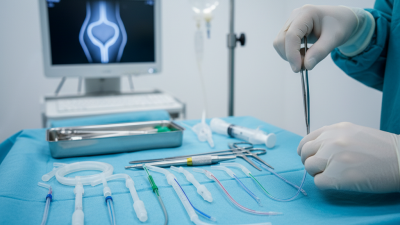
Lately, the Ureteral Introducer Sheathis really becoming a game-changer in urological procedures. I mean, according to the American Urological Association, using these devices properly can seriously boost the success of surgeries. Dr. Emily Turner from Precision Medical puts it nicely: "Getting the hang of the Ureteral Introducer Sheath can really make a difference, especially in those tricky, complex interventions."
That said, not everyone finds it super easy to use. There’s definitely a bit of a learning curve. You’ve got to pay close attention to your technique; a bad insertion can cause complications and make things more complicated than they need to be. Some reports even suggest that nearly 20% of adverse events happen because of improper use. So, understanding the ins and outs of the sheath’s design—like its size, curvature, and how it’s meant to fit—is pretty much essential for better outcomes.
And honestly, it’s all about paying attention to the small details. The more familiar we are with the product specs and how it works, the less we risk messing up. Continuous learning is key here. Many experts actually suggest doing simulation training—we’re talking hands-on practice—so that practitioners can get comfortable handling it safely. The more we invest in understanding this tool, the better results we’ll see with our patients. It’s all about staying ahead of the curve and making sure we’re doing our best every time.

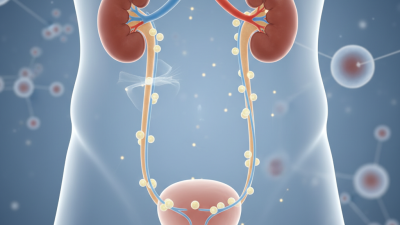
Ureteral introducer sheaths are crucial for ureteroscopy and other urological procedures. Understanding their design and application can significantly improve patient outcomes. The use of these sheaths allows for easier access to the urinary tract. According to the Urological Society, effective use can reduce complications by up to 25%.
When using the Ureteral Introducer System, pay attention to the size and length of the sheath. Choosing the right dimensions can enhance maneuverability. It’s essential to assess the anatomy of each patient. Sometimes, the sheath can be too rigid or too flexible, leading to suboptimal positioning. Additionally, remember to the sheath adequately before insertion to minimize trauma.
Tip: Always double-check the sealing mechanism to ensure it functions properly. A malfunctioning sheath may increase the risk of leakage during procedures. Another common issue is creating excessive pressure, which can injure the ureter. Listen to feedback and adjust your technique as needed. Monitoring outcomes can help in refining methods.
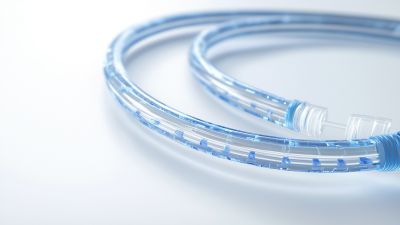
Ureteral introducer sheaths play a crucial role in urological procedures. Understanding their key components enhances effective usage. These sheaths typically comprise a dilator system, a Guiding Catheter, and an integral sheath. The dilator facilitates the smooth entry into the ureter. It should be appropriately sized to prevent damage during insertion. Inadequately sized dilators can lead to patient discomfort and complications.
The guiding catheter allows for precise navigation. It is vital for avoiding unnecessary trauma to the urinary tract. Selecting the right catheter length is essential. An overly long catheter can complicate procedures, while one that is too short may hinder access. The sheath itself must be sturdy yet flexible, capable of adapting to various anatomical complexities. It's not uncommon for medical practitioners to overlook the significance of sheath flexibility. A rigid sheath can increase the risk of injury.
Practicing with these components is imperative. Inadequate experience can lead to poor outcomes. Each component deserves attention and understanding. Evaluating one’s technique with the introducer sheath can reveal areas for improvement. Learning from each procedure, regardless of its success, fosters growth. Observing and reflecting on usage will enhance skills over time.
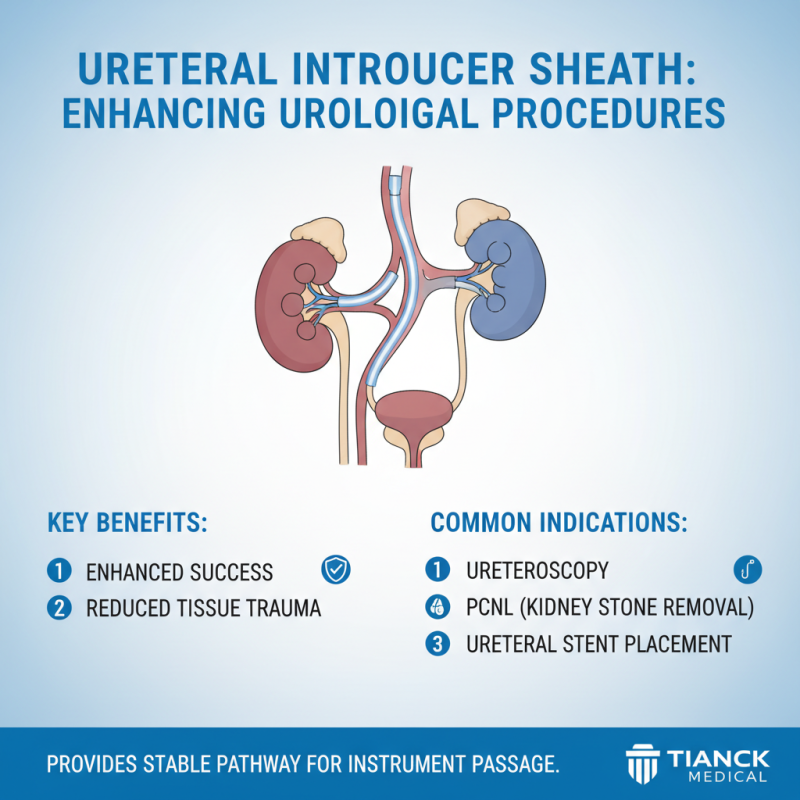
Using a ureteral Introducer Sheathcan significantly enhance procedural success in urology. It is essential in situations requiring access to the urinary tract. Common indications include ureteroscopy, percutaneous nephrolithotomy, and placement of Ureteral Stents. The introducer sheath provides a stable pathway. This allows for smooth instrument passage and reduces trauma to surrounding tissues.
However, there are critical considerations. Proper sizing of the introducer sheath is vital. An improper size can lead to complications. For instance, a sheath that is too large may cause discomfort. Moreover, inadequate lubrication may increase friction during insertion. Practitioners must be attentive during the placement. Mistakes can lead to poor outcomes, so it’s essential to reflect on the procedure regularly.
The importance of sterility cannot be overstated. Any breach can lead to infection. Clean techniques should always be employed, reflecting a commitment to patient safety. It's a reminder that even in routine procedures, we must remain vigilant. Engaging with feedback from peers can further enhance techniques with the introducer sheath. Continuous improvement is essential in the evolving field of urology.
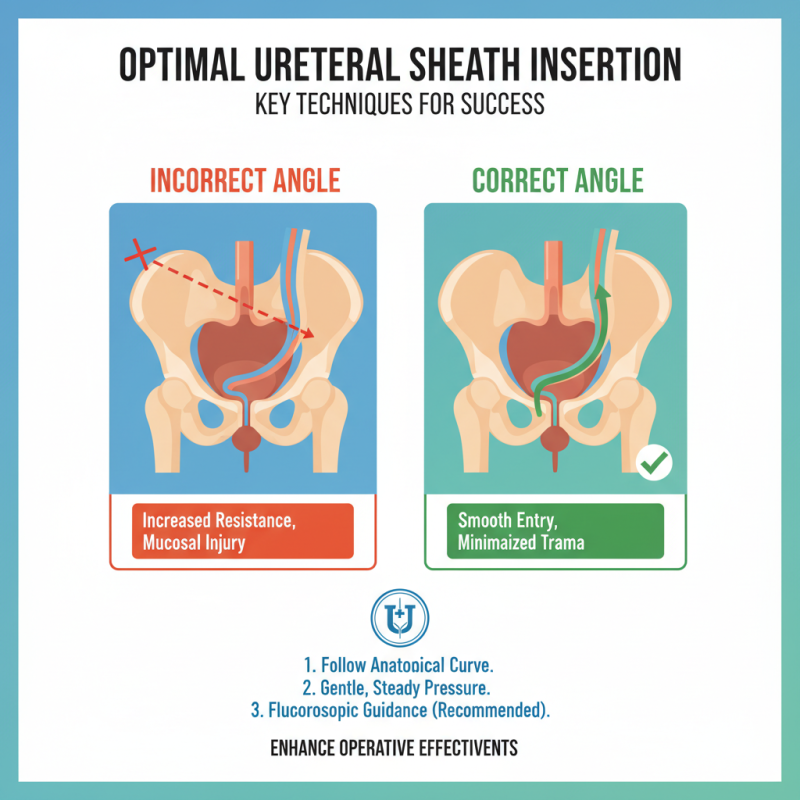
Inserting a ureteral introducer sheath is crucial in many urological procedures. Optimal techniques can greatly enhance the effectiveness of the operation. Pay attention to the angle of entry. Aiming for the correct direction minimizes resistance, leading to smoother insertion.
Applying gentle pressure is key. Too much force can cause trauma to the tissue. It is important to find a balance. If you encounter resistance, withdraw and reassess. Sometimes, small adjustments make a big difference.
Tips to remember include using adequate lubrication on the sheath. This helps in reducing friction. Also, ensure the pathway is clear before inserting. Familiarize yourself with the anatomy. Everyone's body is different. Some may have anatomical variations that require adjustments in technique. Reflections on your approach might reveal areas for improvement. Keeping a flexible mindset is essential for successful procedures.
Using a ureteral introducer sheath can be challenging. One common issue is improper placement. This often leads to discomfort for the patient. To minimize this, always ensure correct positioning. A gentle touch can make a big difference in the procedure's success.
Another frequent challenge is sheath kinking. This can obstruct fluid flow and cause delays. To avoid kinking, maintain a straight trajectory during insertion. Regularly inspect the sheath for any signs of damage. Even small cracks can lead to significant issues.
Lastly, adapting to different patient anatomies is essential. Each individual's ureter may present unique challenges. Learn to assess the anatomical variations quickly. This understanding can guide your approach and improve outcomes. Mistakes will happen, but reflecting on these experiences can enhance future performance.
Maintaining the ureteral introducer sheath is crucial for effective procedures. Regular inspection should become a routine. Check for any signs of wear or damage. A small tear can lead to complications. Always ensure that the sheath is properly lubricated. Insufficient lubrication can hinder smooth insertion. A careful approach will enhance patient comfort and procedure efficiency.
Proper cleaning and sterilization should not be overlooked. After each use, follow a strict protocol. Bacteria can thrive on surfaces. One overlooked mistake is skipping thorough drying. Moisture can compromise sterilization. Make it a habit to review the maintenance log. Consistency in following these practices can prevent potential errors.
Don't forget to keep an eye on the expiry date. An expired sheath can lead to significant risks. Eventually, you should assess if the sheath fits well with other instruments. Misalignment can result in unnecessary complications. If you're not sure, consult peers or guidelines. It’s okay to ask for a second opinion on procedural challenges. Effective use of the Sheath Introducer requires teamwork and vigilance.
Post-procedure care is critical for patients who have undergone ureteral procedures using an introducer sheath. After the procedure, patients should maintain adequate hydration, which aids in flushing out any residual contrast material. Hydration can help prevent complications such as urinary tract infections, which have an incidence rate of up to 30% in patients with ureteral stents.
Monitoring for signs of infection or discomfort is vital. Patients should be vigilant for symptoms like fever, chills, or increasing pain. If any of these symptoms occur, it is essential to contact a healthcare professional promptly. Proper follow-up appointments, typically within a week, are crucial. During these visits, practitioners can assess the placement of the Introducer Sheath 6f and ensure that there are no adverse effects.
Additional aspects of care include minimizing physical activity for a few days post-procedure. This reduces the risk of complications such as displacement of the sheath. Despite these guidelines, not all patients adhere to post-procedure instructions. Reflecting on compliance can significantly impact recovery outcomes. Regular education on the importance of care can help mitigate issues.
The role of the ureteral access sheath in urological procedures is pivotal for ensuring successful outcomes and optimizing patient safety. By providing a stable passage for instruments such as ureteroscopes, this flexible and hollow device minimizes the risk of ureteral trauma during minimally invasive treatments. As urological surgeries increasingly rely on endoscopic techniques, the ureteral access sheath has become essential in procedures like stone removal, tumor biopsy, and stricture treatment.
Furthermore, the deployment of a ureteral access sheath enhances procedural efficiency. By allowing continuous instrument exchange without the need to repeatedly access the ureter, it reduces procedural time and minimizes the number of inserted instruments. This not only streamlines the entire operation but also contributes to better patient experiences by decreasing the potential for complications and shortening recovery times. As the field of endourology evolves, the impact of ureteral access sheaths on both success rates and patient outcomes continues to underline their significance as a fundamental tool in modern urological practice.
: The article aims to provide useful insights. It offers practical advice for various topics.
The audience includes individuals seeking knowledge. They might want tips for daily life improvement.
Yes, many common problems are addressed. Various strategies are offered to help readers.
The article suggests actionable steps. Each step is easy to understand and practical.
There is no one-size-fits-all approach. Readers are encouraged to adapt suggestions to their needs.
It's okay to have differing views. Readers should reflect on the information provided.
Yes, contextual factors often play a role. Be mindful of your unique situation and limitations.
Start small and build gradually. Regular practice can lead to significant improvements over time.
No, basic understanding is sufficient. Beginners can find value without prior expertise.
Encountering challenges is normal. Reflect on your approach and seek alternative solutions.
The article "Ureteral Introducer Sheath Essential Tips for Effective Use" provides a comprehensive overview of the Ureteral Introducer Sheath, a vital tool in urological procedures. Key components of the sheath are discussed, highlighting their importance in facilitating various medical interventions. The article outlines the indications for using the Ureteral Introducer Sheath, which include enhancing access and visibility during procedures.
Additionally, optimal techniques for inserting the sheath are detailed, alongside common challenges that practitioners may encounter and their corresponding solutions. Best practices for maintaining the sheath ensure its longevity and effectiveness, while post-procedure care and follow-up are emphasized to guarantee patient safety and successful outcomes. This guide serves as a valuable resource for healthcare professionals aiming to improve their proficiency with the Ureteral Introducer Sheath.