The HemoDialysis Catheter Set is really an essential tool for folks dealing with kidney failure. You know, according to the National Institute of Diabetes and Digestive and Kidney Diseases, about 661,000 people in the U.S. are living with end-stage renal disease—that's a huge number. This set provides a direct access point for dialysis, which is pretty much the lifeline of treatment.
Using the catheter, healthcare providers can smoothly remove blood during dialysis and put it back, but, honestly, how well it works can really vary from person to person. There are some potential issues too; for example, a report from the Journal of Vascular Access mentioned that infection rates can be around 11% in patients with these catheters. That definitely raises some concerns about how sustainable and safe long-term use really is.
Even with all the technological advancements, there's still room for improvement—especially in how these devices are designed and how patients are managed. Many healthcare pros admit we need better guidelines and more training to handle these devices properly. All in all, the Hemodialysis Catheter Set isn't just a piece of medical equipment—it's truly a lifeline that demands careful attention and constant reassessment to keep patients safe and comfortable.
What is a Hemodialysis Catheter Set?
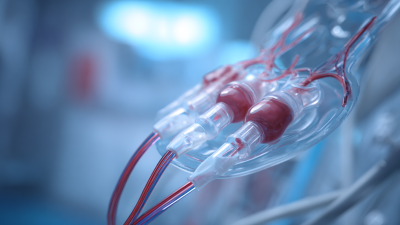
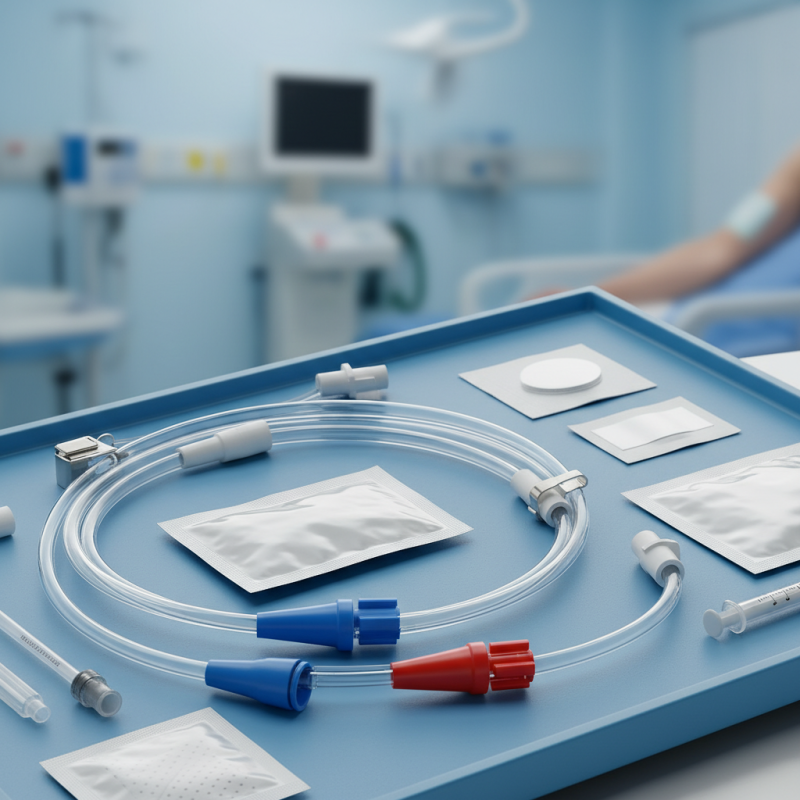
A hemodialysis catheter set is a medical device used to facilitate the hemodialysis process. This set typically includes a catheter, which is a flexible tube, and various connectors for blood access. The catheter is often inserted into a large vein. This insertion allows for efficient blood flow to and from the dialysis machine. The machine cleans the blood, removing waste and excess fluids.
When using a hemodialysis catheter, proper placement is vital. The catheter should be positioned well to avoid complications. A poorly placed catheter can lead to ineffective dialysis. Regular monitoring and maintenance are necessary to ensure that the device works efficiently.
Tips: Always keep the catheter clean to prevent infection. Regularly check for any signs of swelling or redness around the insertion site. If you notice any issues, consult a healthcare professional immediately. Staying hydrated before treatment is also helpful; however, follow your doctor's advice on fluid intake. It’s essential to communicate any discomfort or unusual symptoms during dialysis sessions.
Components of a Hemodialysis Catheter Set
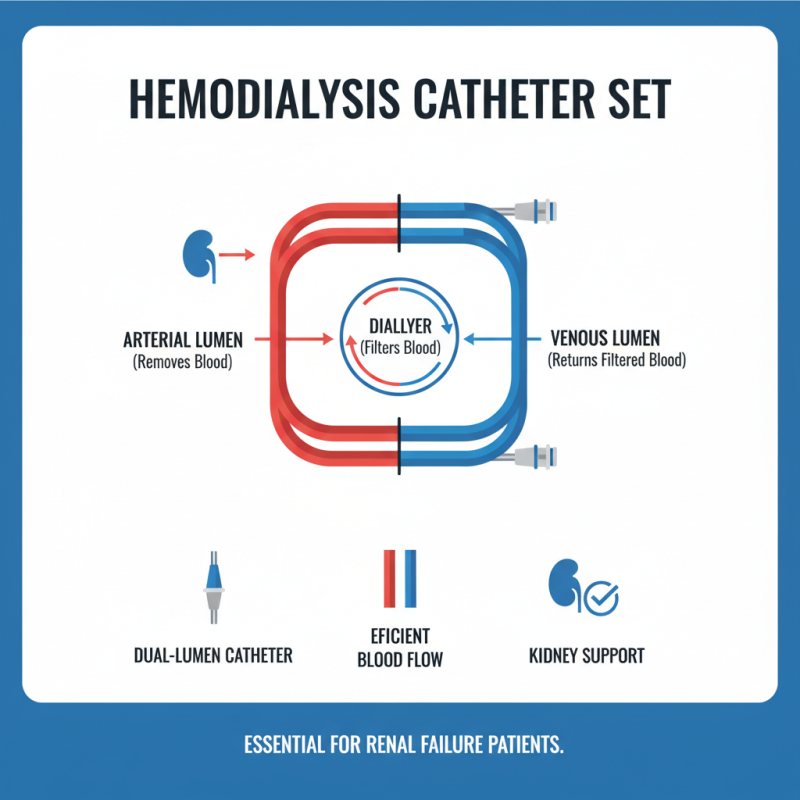
A hemodialysis catheter set is essential for patients needing kidney support. This set includes several key components, each serving a specific purpose. Typically, it features a dual-lumen catheter, allowing for efficient blood flow. One lumen removes blood from the body, while the other returns filtered blood.
Connecting to the catheter are sterile connectors, which ensure safe access. There are also clamps to manage blood flow effectively. Additionally, the set comes with protective covers that maintain cleanliness. These components must be handled carefully to prevent contamination.
Tips: Always check for any signs of leaks. If you notice any, seek help immediately. Regularly inspect your catheter site for any unusual changes. Keeping the area clean can help avoid infections. Using a gentle touch is crucial when securing the catheter. This ensures both comfort and safety during the dialysis process. Attention to these details can significantly enhance overall treatment efficacy.
How Hemodialysis Catheters Are Inserted
Inserting a hemodialysis catheter is a critical procedure. It allows access to the bloodstream for patients with kidney failure. Typically, there are two main types of catheters: tunneled and non-tunneled. Each type serves a unique purpose and has specific insertion techniques.
The insertion process typically involves local anesthesia. The physician selects a suitable site, often in the neck or groin. Using ultrasound guidance is standard practice. This method enhances accuracy and reduces complications. Studies show that this technique improves placement success rates by up to 30%. As the catheter is presented through the skin, it can sometimes be a tense moment.
Post-insertion, careful monitoring is essential. There are risks involved, including infection and thrombosis. Industry reports note that around 25% of patients experience complications with catheter-related infections. Proper care and education on catheter maintenance can mitigate some of these risks. Yet, the challenges remain for many healthcare providers, emphasizing the need for ongoing training and protocols.
Mechanism of Action: How Hemodialysis Works
Hemodialysis is a vital treatment for those with kidney failure. It uses a hemodialysis catheter set to access the bloodstream. This set typically includes a double-lumen catheter. One lumen draws blood out, while the other returns cleansed blood.
The mechanism of action involves a dialysis machine. Blood flows through a dialyzer, often referred to as an artificial kidney. Here, waste products and excess fluids are removed. This process reduces toxins in the body. It mimics kidney function when natural filtration fails.
Tip: Ensure the catheter site is clean to prevent infection. Regularly cleanse the area and avoid touching the site with dirty hands.
Monitoring is crucial during dialysis. Patients should watch for unusual symptoms. Dizziness or swelling may indicate issues. It’s important to address these with healthcare providers promptly.
Tip: Keep an eye on your fluid intake before dialysis. Following guidelines can prevent discomfort during the session. Small adjustments can make a big difference.
Indications for Using Hemodialysis Catheter Sets
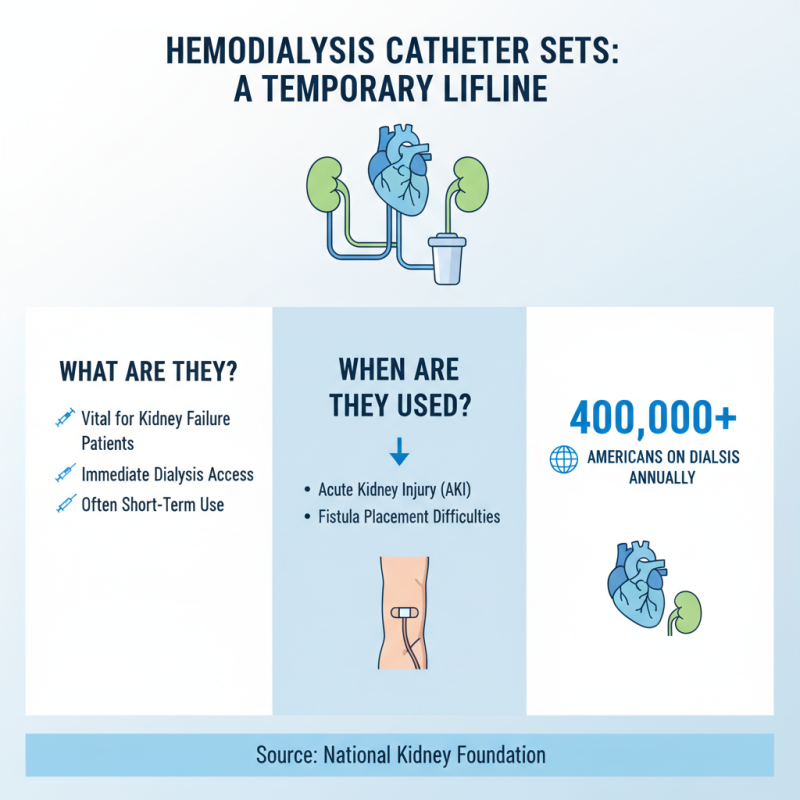
Hemodialysis catheter sets are vital for patients with kidney failure. They are primarily used when patients need immediate hemodialysis access. The National Kidney Foundation reports that about 400,000 Americans undergo dialysis treatment each year. The use of these catheters is often indicated for short-term needs. This could be due to acute kidney injury or difficulties in placing a fistula.
Common indications include urgent dialysis for fluid overload or severe electrolyte imbalances. According to a study published in the Journal of Vascular Access, 30% of all dialysis patients may require catheters for temporary access. During emergency situations, timely access is crucial. Delays can lead to complications in patient health.
However, there are challenges with catheter use. Catheters may become infected, leading to serious complications. The CDC states that catheter-associated bloodstream infections occur in 3-37% of patients. Regular monitoring and proper care are essential to minimize risks. Understanding the role and risks of hemodialysis catheters can improve patient outcomes significantly.
Potential Complications and Risks
Hemodialysis catheter sets are crucial for patients needing kidney support. However, they come with potential complications and risks. One significant risk is infection at the catheter insertion site. This can lead to serious complications such as sepsis. Patients should monitor any signs of redness or swelling in the area.
Another concern is thrombosis, where blood clots form within the catheter. This can obstruct blood flow, undermining the efficiency of the dialysis process. Regular flushing and maintenance are essential to minimize this risk. Catheter displacement is also possible, resulting in improper functioning.
Patients need to remain vigilant. Awareness of these complications can lead to better outcomes. Open communication with healthcare providers helps in addressing any emerging issues promptly. Remember, taking proactive steps can make a difference.
Care and Maintenance of Hemodialysis Catheters
Caring for hemodialysis catheters is crucial. These catheters are vital for patients with kidney failure. They require proper maintenance to prevent complications. Studies show that around 70% of infections in dialysis patients stem from catheter use. Keeping the catheter clean is essential. Regular flushing can help maintain patency and prevent blockages.
Tips: Always wash your hands before handling the catheter. Use sterile supplies when changing dressings. Inadequate care can lead to serious infections. Patients must be attentive to any signs of redness or swelling. These could indicate a problem.
Proper management includes regular inspections. Look for any signs of wear or damage. Regularly changing the dressings is also important. Studies reveal that about 40% of catheters develop complications without proper dressing changes. It's important to act quickly if any irregularities are observed. Delays can escalate problems significantly. Remember, your health depends on this routine diligence.
The Essential Role of Guiding Catheters in Modern Cardiovascular Procedures
The Essential Role of Guiding Catheters in Modern Cardiovascular Procedures
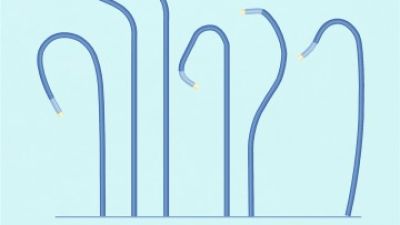
Guiding catheters are a cornerstone in contemporary cardiovascular interventions, particularly in procedures like coronary artery interventions and peripheral vascular interventions. Their primary function is to establish a stable and reliable pathway for the subsequent delivery of instruments, such as balloon catheters and stents. According to a report by the American College of Cardiology, the precision in placement offered by guiding catheters significantly reduces procedural times and enhances overall patient safety during complex interventions.
In recent years, the adoption of advanced guiding catheters has been instrumental in improving patient outcomes. Research published in the Journal of Vascular Surgery found that the use of high-quality guiding catheters can lead to a 30% increase in successful catheterization rates. This advancement is critical, especially as cardiovascular diseases continue to be the leading cause of mortality worldwide, with the World Health Organization estimating that approximately 17.9 million lives are lost each year due to cardiovascular conditions. With these statistics in mind, the critical role of guiding catheters cannot be overstated; they serve not only to facilitate the procedure but also to enhance the efficacy and safety of interventions that can save lives.
Conclusion
A Hemodialysis Catheter Set is a critical medical device used for patients experiencing renal failure, allowing for effective blood purification. The set typically consists of flexible catheters, connectors, and securements, facilitating the safe execution of hemodialysis procedures. These catheters are inserted into large veins, commonly in the neck or groin, enabling efficient blood flow for dialysis.
The mechanism of action involves the removal of waste and excess fluids from the blood as it circulates through a dialyzer. Indications for using a Hemodialysis Catheter Set include emergency dialysis situations or when patients do not have suitable vascular access. However, potential complications such as infection, clotting, or catheter malposition must be carefully managed. Regular care and maintenance of the catheter are essential to minimize risks and ensure optimal functionality.