Leave Your Message
Hey there! So, at the 2025 Canton Fair in China, they're really gonna be showcasing some exciting new trends in healthcare tech, and one of the big highlights is definitely the HemoDialysis Catheter Set. With more and more focus on providing effective patient care, Tianck Medical Co., Ltd. is actually leading the way—designing products that are precisely crafted to meet the ever-changing needs of both medical pros and the patients they serve. We're really passionate about improving outcomes, and our latest innovations in hemodialysis totally reflect that. The Hemodialysis Catheter Set is a pretty big deal in kidney treatment—it's all about making the process more efficient and ensuring patients get top-notch care. As we get ready to showcase our newest advancements at the fair, we’re excited to invite everyone in the industry to check out how our products are shaping the future of hemodialysis and helping make healthcare better for people everywhere.
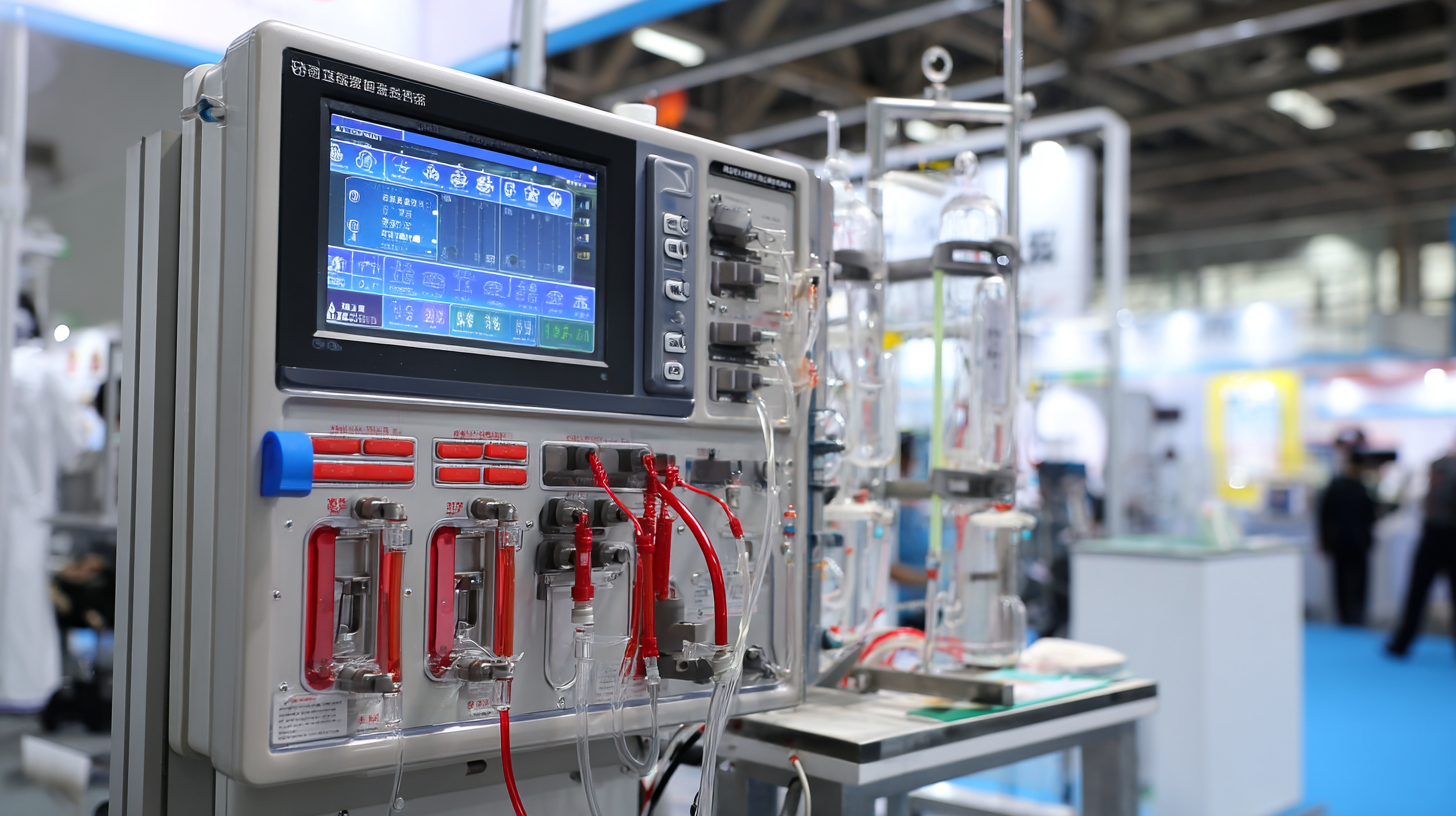
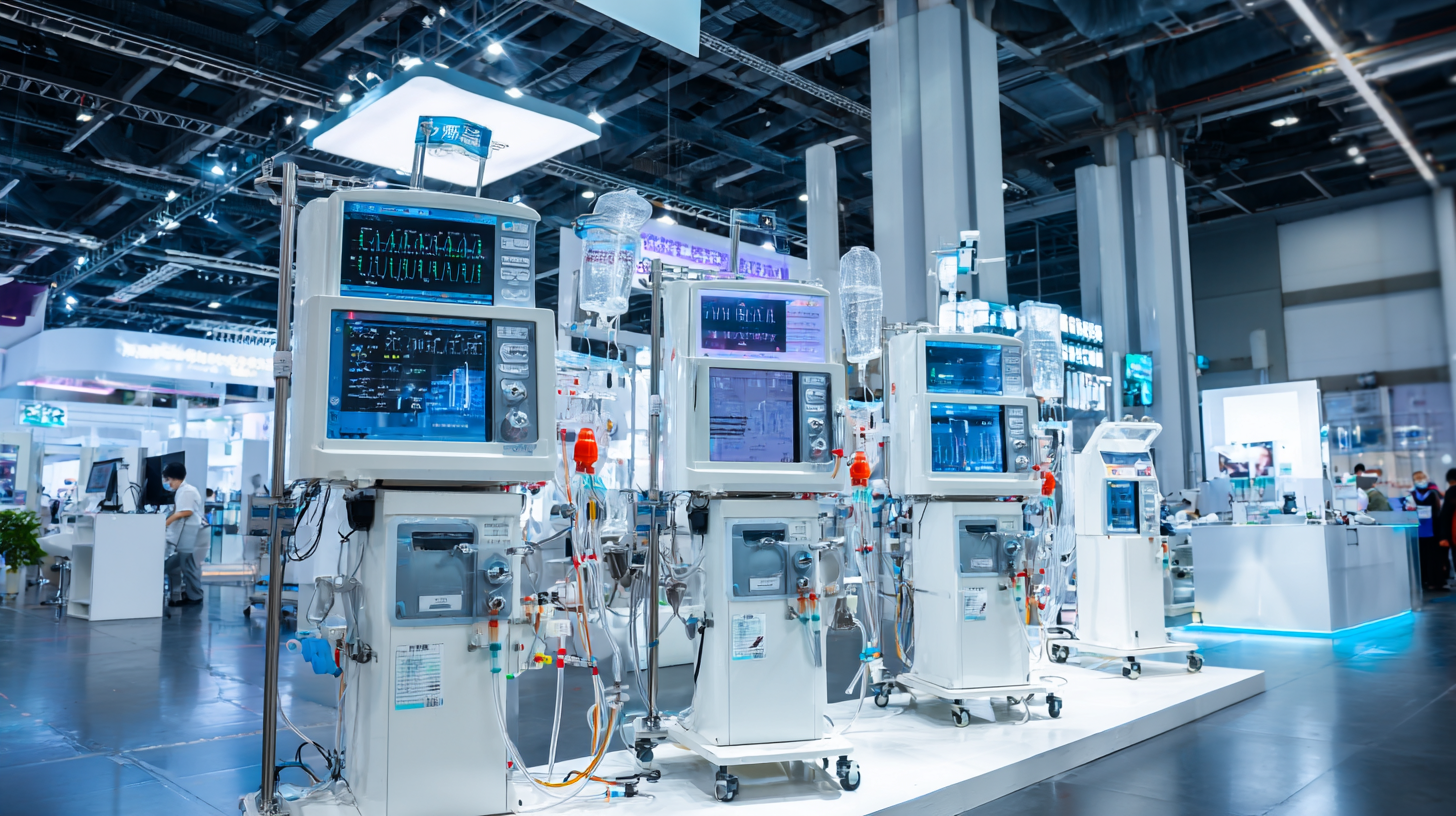
So, at the 2025 Canton Fair, all eyes will be on the newest innovations in hemodialysis catheter sets. These are packed with really cool design features that aim to make things safer and more effective for patients. Industry folks are expected to show off some pretty exciting advancements that improve how these catheters perform — things like easier insertion techniques and better biocompatibility. The goal isn’t just about making it work better; it’s also about making it easier for healthcare providers to handle, which is a big win.
They’ve been listening to feedback from medical pros and keeping up with the latest materials science, so these designs probably include ergonomic grips, smarter flow dynamics, and anti-thrombogenic properties. These aren’t just small tweaks — they’re real leaps forward in patient care. And honestly, as medical device tech keeps evolving, events like the Canton Fair are super important because they bring together manufacturers, suppliers, and healthcare workers. That way, the latest innovations can actually get into the hands of those who really need them.
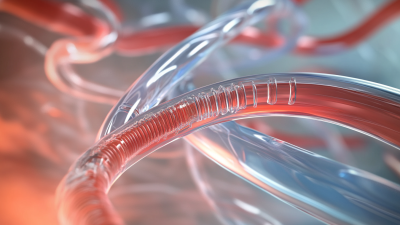
The Peripherally Inserted Central Catheter (PICC) has become an integral tool in modern medical practice, revolutionizing how healthcare providers administer long-term Venous Access. This flexible tube, typically inserted into a peripheral vein in the arm and advanced to a central vein near the heart, is essential for delivering medications, fluids, and nutrients over extended periods. A study published in the Journal of Vascular Access indicates that the use of PICC lines has increased significantly, with an estimated 300,000 inserted annually in the United States alone, highlighting their importance in patient care.
One of the primary benefits of PICCs is their ability to facilitate multi-lumen access, allowing healthcare professionals to administer multiple therapies simultaneously without requiring additional venous punctures. This is particularly advantageous in managing patients with complex treatment regimens, such as those undergoing chemotherapy or long-term antibiotics. Reports from the Infusion Nurses Society reveal that over 90% of patients having PICCs report satisfaction with their venous access solution, underscoring the effectiveness and convenience these catheters provide in various clinical settings.
Moreover, the economic implications of utilizing PICC lines are noteworthy. A comprehensive cost-analysis report estimated that using PICCs could reduce hospital stays and enhance outpatient management, ultimately leading to significant cost savings for healthcare facilities and insurers. With these characteristics, PICCs exemplify a significant advancement in patient care, allowing for safe, effective, and efficient management of various health conditions. The ongoing research and development surrounding this technology promise to further refine and expand its applications in the healthcare landscape.
: Advanced catheter materials that resist infection and reduce occlusion rates, along with smart technology devices equipped with sensors for real-time monitoring of blood flow and pressure, are enhancing patient safety in hemodialysis.
These new materials improve biocompatibility and longevity of catheters, leading to reduced infection rates and occlusions, which ultimately enhances patient outcomes.
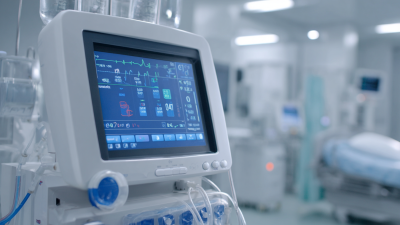
Smart technology allows for real-time monitoring of patients during hemodialysis, enabling swift interventions and reducing risks of complications associated with traditional dialysis methods.
The global market for medical devices is expected to expand significantly, with a notable growth in the vascular closure devices segment, projected to grow from $125 million in 2022 to $210 million by 2030.
There is a growing preference for innovative and less invasive healthcare technologies, leading to increased demand for advanced catheter solutions that enhance patient safety and comfort.
Yes, collaborations between research institutions and industry players are essential for developing novel dialysis modalities, such as portable artificial kidneys and wearable peritoneal dialysis devices.
It is a collaborative initiative aimed at improving access to dialysis treatment for individuals with end-stage kidney disease, highlighting the importance of partnerships in healthcare innovation.
The pet wearable device market is also experiencing growth, expected to increase from $150 million in 2022 to approximately $420 million by 2030, reflecting a trend towards innovative solutions in both human health and pet wellness.
Collaborative efforts pool resources and expertise, allowing for the development of more effective and cost-effective dialysis treatments, ultimately improving patient quality of life.
There is a consumer preference for high-quality, reliable, and user-friendly dialysis products, which is driving changes and innovations in the market.
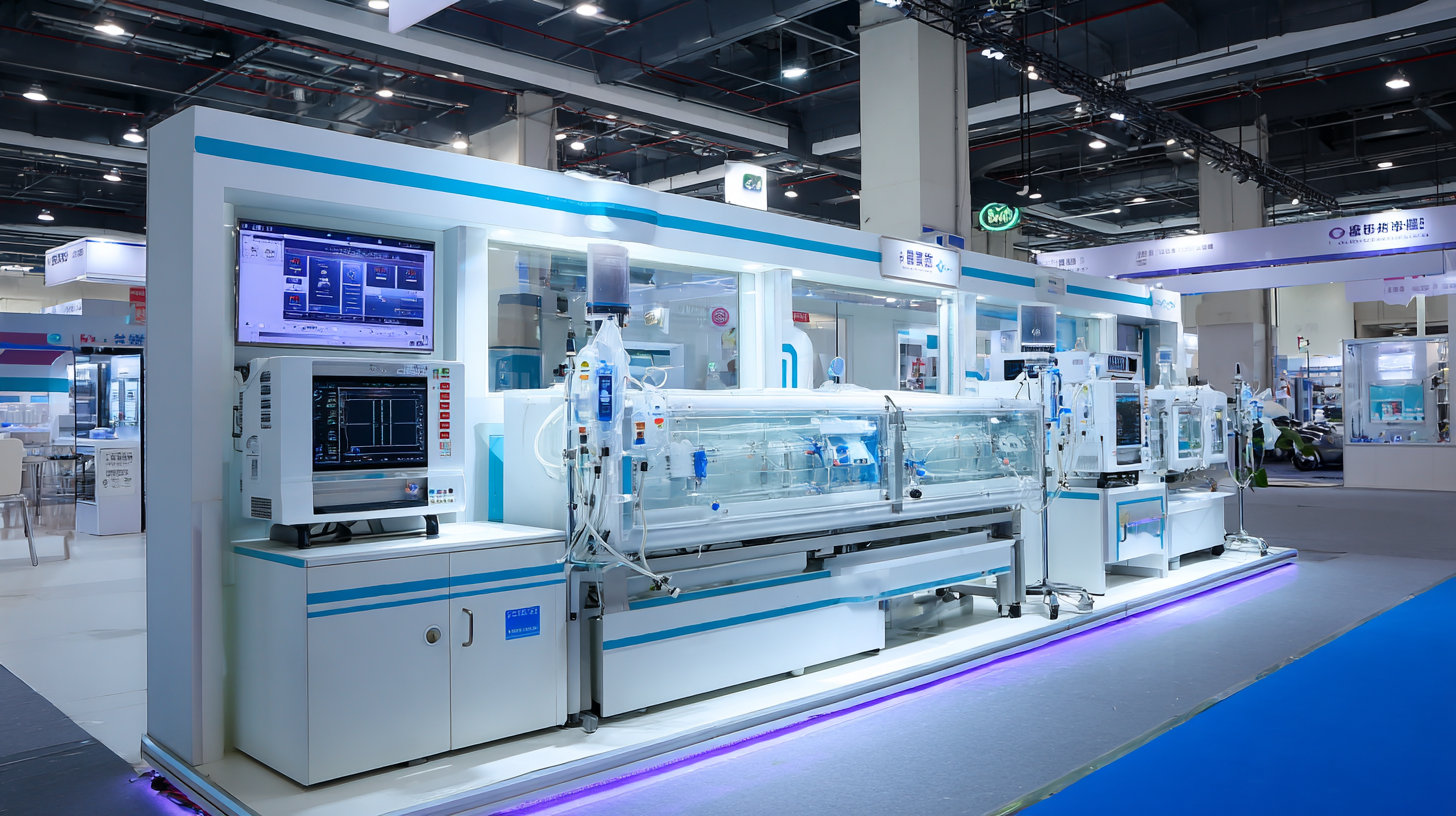
So, the 2025 Canton Fair in China really showcased some pretty exciting trends in how Hemodialysis Catheter Sets are being designed and built. Lots of these products now include smarter, more patient-friendly features — stuff that aims to make treatments safer and even a bit more comfortable. They've been bringing in new tech and better materials to tackle the common issues folks face with hemodialysis, which makes sense given how much demand there is for more reliable and effective catheter options.
On top of that, R&D teams are teaming up more than ever, pushing forward some really promising innovations in dialysis technology. And it’s not just about performance — they’re also putting a big focus on eco-friendly manufacturing practices, which is pretty great to see. As Tianck Medical Co., Ltd. leads the charge here, they’re all about creating products that are precisely made and designed to meet the changing needs of healthcare providers around the world, all while helping patients get better care overall.