Hey, have you noticed how worldwide demand for Balloon Catheterkeeps climbing? It’s pretty clear that innovation in this area is more important than ever. I remember Dr. Emily Chen, a well-respected cardiologist, once said, “The development of Balloon Catheter technology is absolutely key when it comes to successful cardiac procedures.” That really highlights just how critical it is to have dependable suppliers who can keep up with the increasing needs of healthcare providers worldwide.
Interestingly, China has really taken a big step forward in the Balloon Catheter market. There are tons of suppliers out there who offer top-notch products. These guys know just how crucial Balloon Catheters are in different medical procedures. Of course, as the industry keeps changing, some companies still fall behind when it comes to tech or quality control. So, it’s definitely a good idea to keep evaluating and pushing for improvements.
Focusing on the top 10 Balloon Catheter suppliers makes a lot of sense. These firms really set the standards for quality, innovation, and dependability. If you’re making decisions about partnerships, it’s smart to go with suppliers who actually know their stuff and have a solid track record. Getting it right here can really make a difference—not just for the success of the procedures but also for patient outcomes overall.

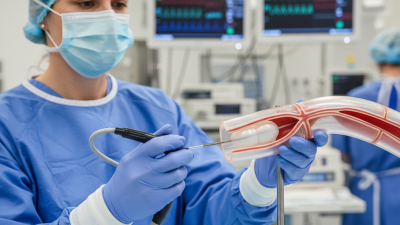
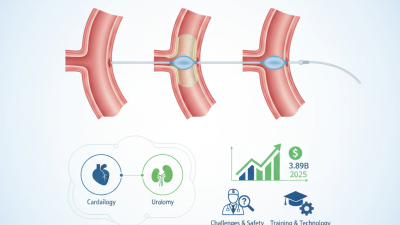
Balloon catheters play a crucial role in various medical applications, notably in the treatment of vascular diseases. These devices use a flexible tube with an inflatable balloon at the tip. They are commonly employed in procedures like angioplasty, where they open narrowed or blocked blood vessels. This technique can significantly improve blood flow and alleviate symptoms in patients suffering from cardiovascular conditions.
In addition to cardiovascular use, balloon catheters are also valuable in urology and gastroenterology. They can help in expanding strictures or blockages in the urinary tract or digestive system. The versatility of balloon catheters makes them essential tools in modern medicine. However, their design and material must meet strict medical standards to ensure patient safety. The effectiveness of a balloon catheter can vary based on the specific procedure, indicating the need for careful selection.
While these catheters provide significant benefits, challenges remain. Not every patient responds similarly to treatment. Complications can arise, including vessel damage or infection. Continuous advancements are necessary to enhance the reliability and functionality of balloon catheters, ensuring they meet the evolving demands of healthcare professionals and patients alike.
When selecting balloon catheter suppliers, several key factors stand out. Product quality is paramount. High-quality catheter devices must meet rigorous safety standards. It's essential to choose suppliers who undergo regular quality assessments. The Global Market Insights report asserts that the balloon catheter market will exceed $5 billion by 2027. This growth indicates increased demand for reliable products in medical procedures.
Another vital factor is supplier experience. Established suppliers are often more reliable. Their experience allows them to anticipate market shifts and technological advancements. Some suppliers might not have robust support for regulatory compliance or product recalls. This can lead to significant risks for buyers. Additionally, geographical location impacts logistics and delivery times.
Pricing strategies should also be transparent. While competitive pricing is favorable, it shouldn’t compromise quality. Some suppliers may offer lower prices but lack essential certifications. Supporting documentation, such as those for Pta Balloon Catheter performance, is crucial for ensuring product efficacy. A supplier's willingness to provide comprehensive details reflects their professionalism.
In recent years, China's balloon catheter market has seen significant growth. Many suppliers focus on developing innovative products that improve patient care. Balloon catheters are vital in various medical procedures. They allow for the dilatation of narrow or obstructed vessels. This is crucial for treating conditions like coronary artery disease.
Several companies in China have demonstrated expertise in manufacturing balloon catheters. Their production processes often incorporate advanced technologies. This ensures that the products meet international standards. However, there is variability in quality among different suppliers. Some may struggle with consistency in their output. Choosing the right supplier requires careful consideration of factors like certification and production capacity. Potential buyers should look for transparency and reliability in supplier communications.
Additionally, challenges exist in understanding the full scope of each supplier's capabilities. Evaluating their experience and market reputation is essential. Buyers often find conflicting information in online reviews or industry reports. It’s vital to verify facts through direct engagement with suppliers. Collaborating with knowledgeable professionals can further enhance the decision-making process. The landscape is competitive, making it necessary to tread cautiously.
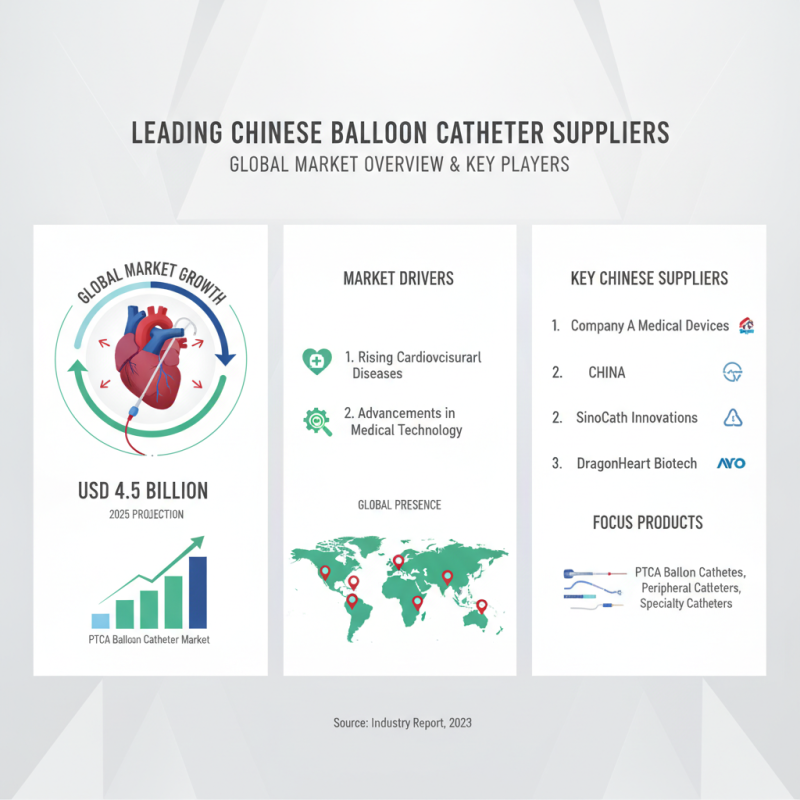
The balloon catheter market is witnessing rapid growth worldwide. A recent industry report indicates that the global market for Ptca Balloon Catheters is projected to reach USD 4.5 billion by 2025. This surge is largely driven by the increasing prevalence of cardiovascular diseases. More healthcare providers are recognizing the importance of effective interventions using balloon catheter technology.
In China, several leading suppliers have risen to prominence. Their experience and technological expertise contribute to producing high-quality Ptca Balloon catheters. These catheters are critical for procedures such as angioplasty. However, buyers should remain vigilant. Some suppliers may promise advanced features that don't align with production capabilities. Researching supplier credentials is vital for making informed decisions.
Quality control is another area requiring attention. While many Chinese suppliers adhere to strict manufacturing standards, inconsistencies do occur. Ensuring that products meet international regulations is paramount for safety. Buyers must ask for certifications and documentation. Building a strong relationship with suppliers can aid in clearer communication about these concerns. The market is promising, but due diligence is essential for success in procurement.
When considering balloon catheters, quality standards are paramount. Manufacturers must comply with rigorous protocols. This ensures safety and effectiveness in medical procedures. Certifications such as ISO 13485 are essential. They indicate that the production process meets international safety requirements.
Certification bodies play a crucial role. They assess compliance with manufacturing standards. Their evaluations often focus on risk management and quality control. This oversight fosters trust among healthcare providers. However, not all suppliers meet these stringent criteria. Some may lack adequate documentation or experience.
Moreover, healthcare facilities should conduct thorough research on suppliers. Evaluating previous inspections and certifications is vital. They should also scrutinize product literature for quality claims. This diligence is necessary, but it's not foolproof. Some suppliers may misrepresent their credentials. Continuous improvement in quality and transparency should be a shared goal within the industry.
China is a significant player in the global balloon catheter market. Among its top suppliers, variations in pricing can be substantial. Some manufacturers offer competitive prices, while others position themselves as premium suppliers. This creates a range of options for buyers looking for value or high-end products.
When considering the Scoring Balloon Catheter, it’s crucial to analyze what factors influence pricing. Material quality and technological advancements often play a key role. Suppliers with advanced manufacturing capabilities may charge more, reflecting the investment in their processes. However, buyers must remain cautious. Some lower-priced models might cut corners on quality. It’s not uncommon to find discrepancies in product performance even among reputable brands.
Understanding these aspects can empower global buyers. Researching supplier reliability is essential. Comparing clinical performance data can help indicate whether a lower price is worth the risk. In this competitive landscape, making an informed decision based on both price and quality is vital for optimal patient outcomes. Always ensure that the supplier adheres to regulatory standards.
| Supplier Rank | Annual Revenue (USD) | Manufacturing Capacity (Units) | Average Price per Unit (USD) | Lead Time (Weeks) |
|---|---|---|---|---|
| 1 | $50 million | 1,000,000 | $15 | 4 |
| 2 | $45 million | 900,000 | $14 | 6 |
| 3 | $40 million | 800,000 | $16 | 5 |
| 4 | $35 million | 750,000 | $17 | 7 |
| 5 | $30 million | 600,000 | $18 | 8 |
| 6 | $28 million | 500,000 | $19 | 9 |
| 7 | $25 million | 400,000 | $20 | 10 |
| 8 | $22 million | 350,000 | $21 | 11 |
| 9 | $20 million | 300,000 | $22 | 12 |
| 10 | $18 million | 250,000 | $23 | 13 |
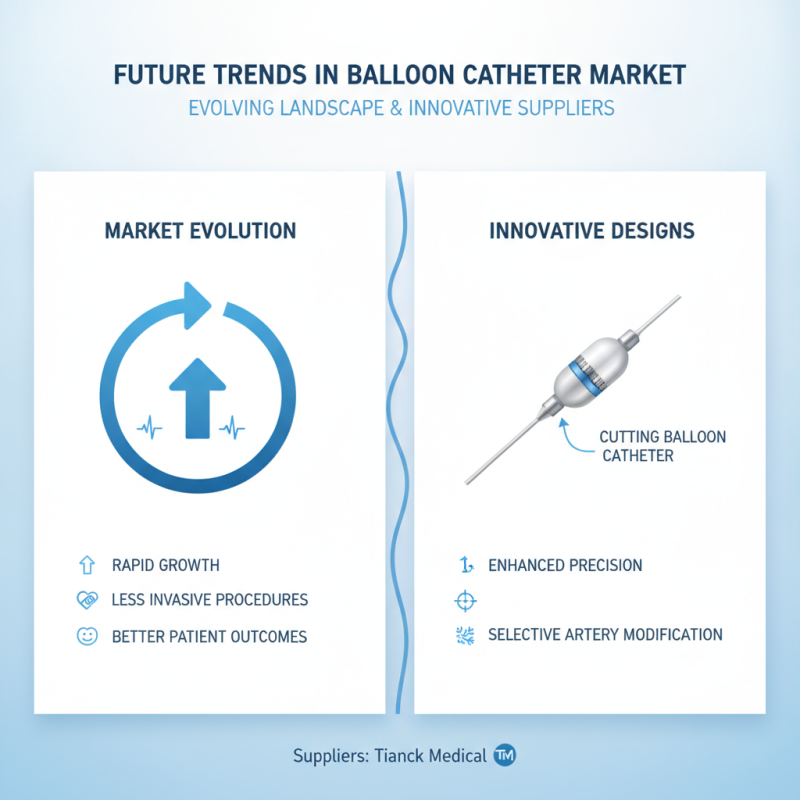
The balloon catheter market is evolving rapidly. Innovative designs like the Cutting Balloon Catheter are gaining traction. These catheters offer enhanced precision in arterial dilation, providing better outcomes for patients. Surgeons appreciate their ability to selectively modify narrowing arteries with less trauma. This shift reflects a broader trend toward less invasive procedures.
Market dynamics are changing as suppliers adapt to new technologies. Increased focus on patient-centric solutions drives development. Traditional balloon catheters are now supplemented with advanced materials and mechanisms. This trend elevates the importance of research and development among suppliers. Collaboration between medical professionals and manufacturers is essential. Feedback from the medical community can guide future innovations.
However, challenges remain. Some suppliers struggle to keep pace with rapid advancements. Maintaining quality while enhancing functionality can be difficult. A clear understanding of regulatory requirements is critical. Suppliers must navigate these complex landscapes carefully. This ongoing dialogue between innovators and healthcare providers will shape the future of balloon catheters.
: Manufacturers must meet rigorous protocols to ensure safety and effectiveness in medical procedures.
These certifications indicate that the production process meets international safety requirements for medical devices.
They assess compliance with manufacturing standards, focusing on risk management and quality control.
No, some suppliers may lack adequate documentation or experience, which can jeopardize safety.
They should evaluate previous inspections, certifications, and scrutinize product literature for quality claims.
No, some suppliers might misrepresent their credentials, highlighting the need for diligence.
Factors include material quality and technological advancements, impacting overall production costs.
Yes, they might cut corners on quality, potentially leading to performance discrepancies.
By researching supplier reliability and comparing clinical performance data with price.
Ensuring suppliers adhere to regulatory standards while balancing price and quality.
Balloon catheters are essential medical devices used in various procedures, including angioplasty, as they help to dilate narrowed blood vessels or passages. This article provides an overview of balloon catheters and examines key factors to consider when selecting suppliers, ensuring that global buyers can make informed decisions.
Highlighting the top 10 suppliers in China, the article delves into their company profiles, showcasing their strengths and offerings. Additionally, it discusses the importance of quality standards and certifications that ensure safety and effectiveness in medical applications. A comparative analysis of pricing among these suppliers is also provided, giving buyers insight into cost considerations. Finally, the article explores future trends within the balloon catheter market, predicting shifts in supplier dynamics and technological advancements that could impact the industry.